The Auditor Who Found Nothing Hidden
When does your quality process start?In many companies, quality starts the week before the audit: binders are sorted, spreadsheets filled in, people asked what they remember. At Ferrolux, it starts with the first prototype on the test bench.
Jena, 1846
Carl Zeiss opened a small workshop and would not let an instrument leave it that was not good enough; it is said he smashed faulty parts. What he could not yet do was predict quality. Lenses were made by trial and error, ground and tested until one happened to be good.
Ernst Abbe changed that. He worked out the theory behind the microscope and replaced trying with calculating: a lens could be designed to be right before it was made. Knowing instead of hoping.
Ferrolux, today
At nine o’clock sharp, auditor Thomas Brenner opened a folder with a single page in it. Ferrolux builds power supplies for medical equipment, and Brenner had come back for one question he had left open.
“I’ll ask for records, not presentations,” he said. “If something is still open, tell me.”
He wanted to know whether a measuring instrument had really been calibrated when the team used it. Auditors leave a certain silence on purpose; it is where weak explanations grow. Marte Solheim, Ferrolux’s QA manager, didn’t fill it. She opened the record, and the answer was on the screen.
Then the harder question: “And before that calibration? What about the results measured with it then?”
In many companies, that question sends a team back to their desks for a week. Marte answered it in the room. She had found the problem herself and had already written down her decision: none of those results counts until it has been checked.
Brenner read it twice. “Most companies wait for me to find these.”
The gap
He still found one. A test was approved, but the record didn’t say which unit had been on the bench. Someone had written it in a comment.
“That’s not identification,” he said. “That’s memory.”
Marte didn’t defend it. Her team had already changed it: every unit now has its own record, and one that failed sits in quarantine that only QA can lift. She gave him her own name and two dates: one for when the fix is in place, and one for when she will check that it works.
At the door
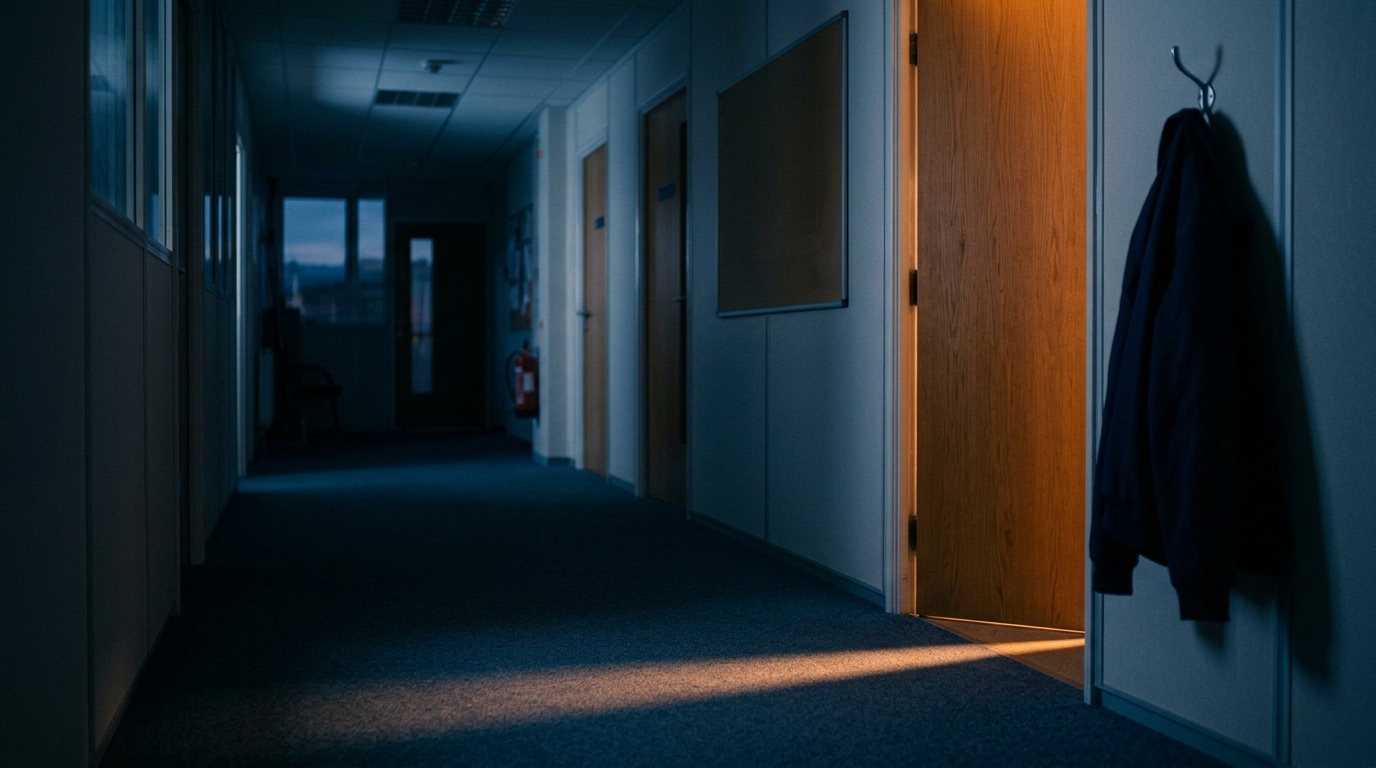
Brenner stood up, took his coat, and stopped at the door.
“Do you know what I liked today, Ms Solheim? Not that everything was right. It wasn’t. But your system didn’t hide anything from me.”
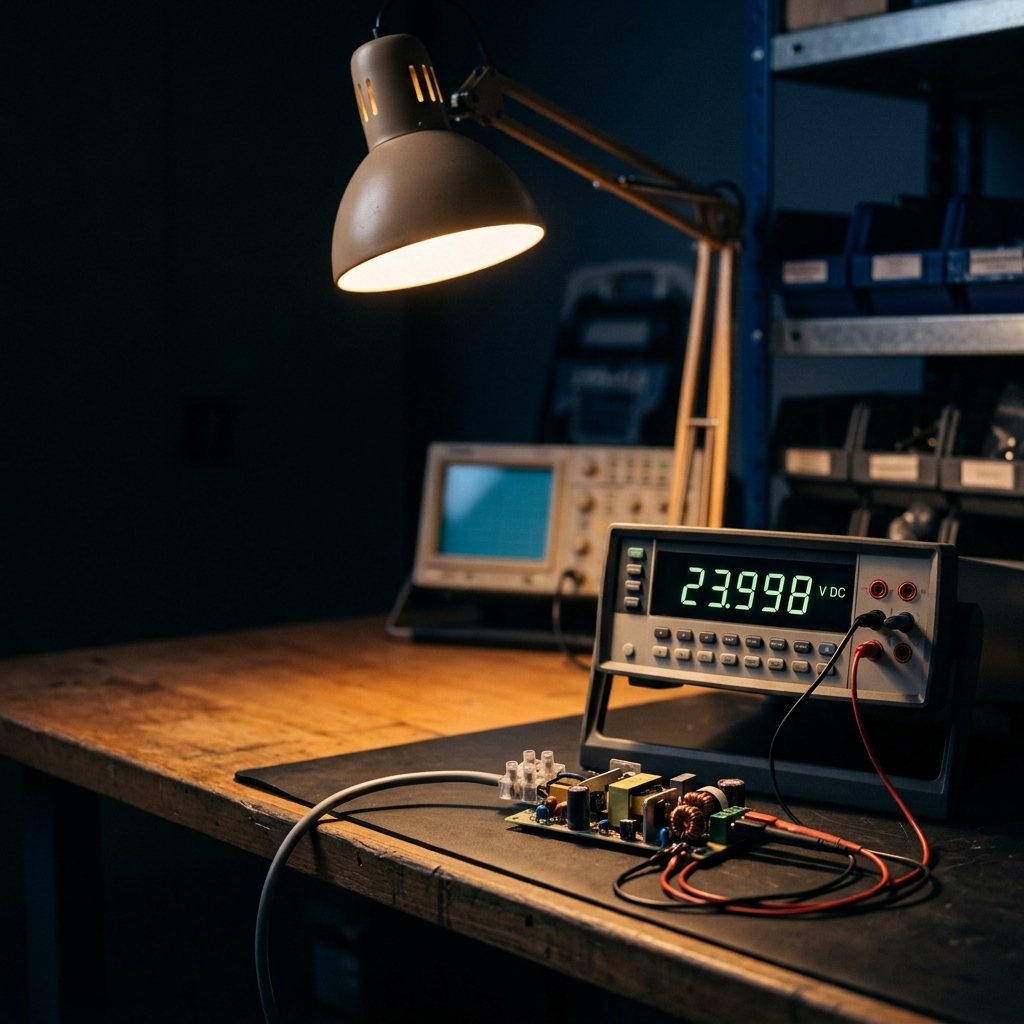
The door closed. In the lab, a power supply hummed at almost exactly 24 volts.
Abbe would have liked him
Brenner asked of Ferrolux what Abbe asked of a lens: not “we think it was fine”, but proof, made while the work happens. Zeiss gave Jena its conscience about quality, Abbe gave it a method, and every person in that workshop carried both. And Abbe protected those who carried it: from 1900, Zeiss had the eight-hour day, with pensions and sick pay, half a century before it became law.
I grew up in Jena, the town of Zeiss and Abbe. What I took from it is simple: quality is not checked at the end; it is carried by everyone, in the work itself. CycleQA is my attempt to make that habit easy for today’s manufacturers.
Markus Hein, founder
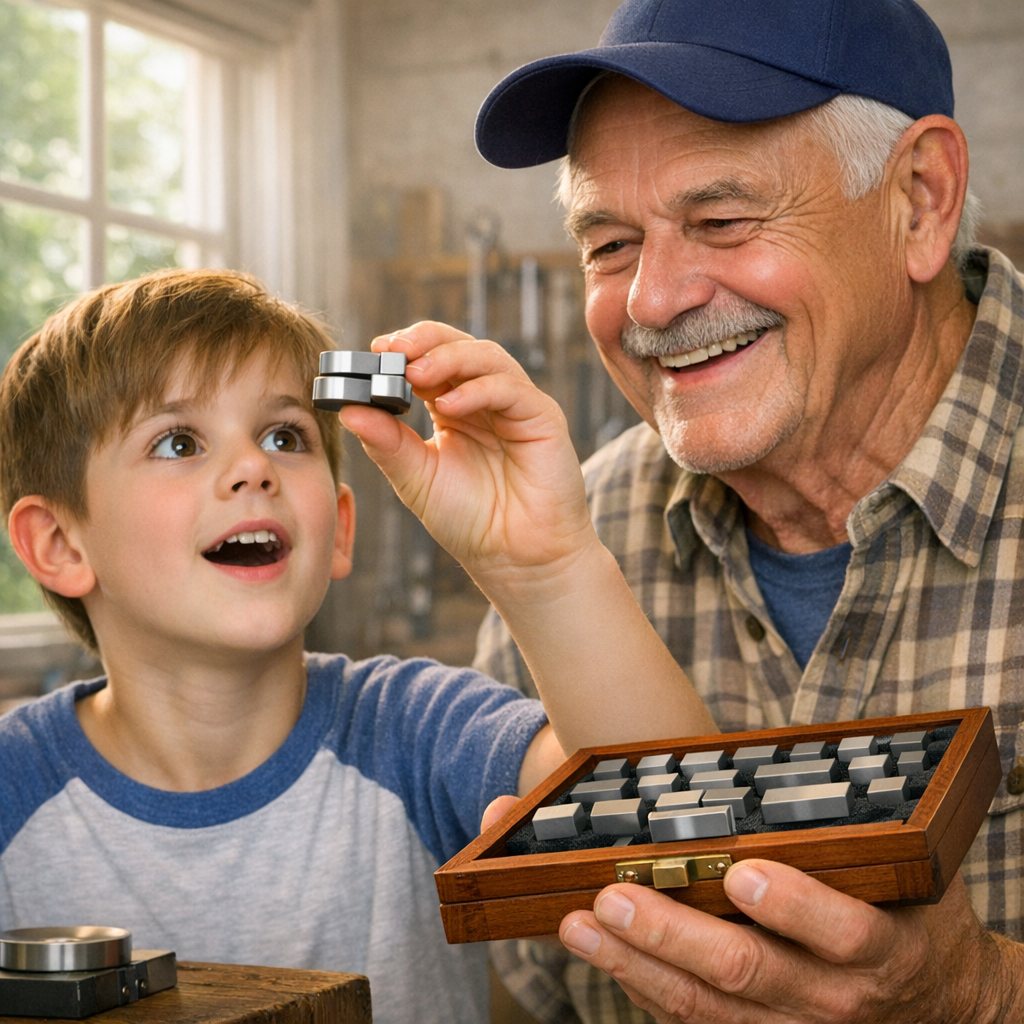
As with Abbe, the method matters more than any single instrument. CycleQA is a way of doing quality work in manufacturing, from the first prototype test to series release, with evidence created while people work, not before the audit. We bring the method, the tool that implements it fully, and the support until your team lives it every day. CycleQA records what happened. It never scores the people who did it.
Does this sound like your audits?
We read every response personally. Your question shapes what we build next.